Silver Diamine Fluoride for Cavities: USMLE Review of Trial
A Phase III trial published in JAMA Pediatrics reports that silver diamine fluoride (SDF), a liquid painted onto a cavity in seconds, can stop tooth decay in young children without drilling, injections, or sedation. The study enrolled 830 children younger than 6 and was led by researchers at the University of Michigan. For USMLE learners, it is a good prompt to review how caries develops and what fluoride and silver actually do.
What happened
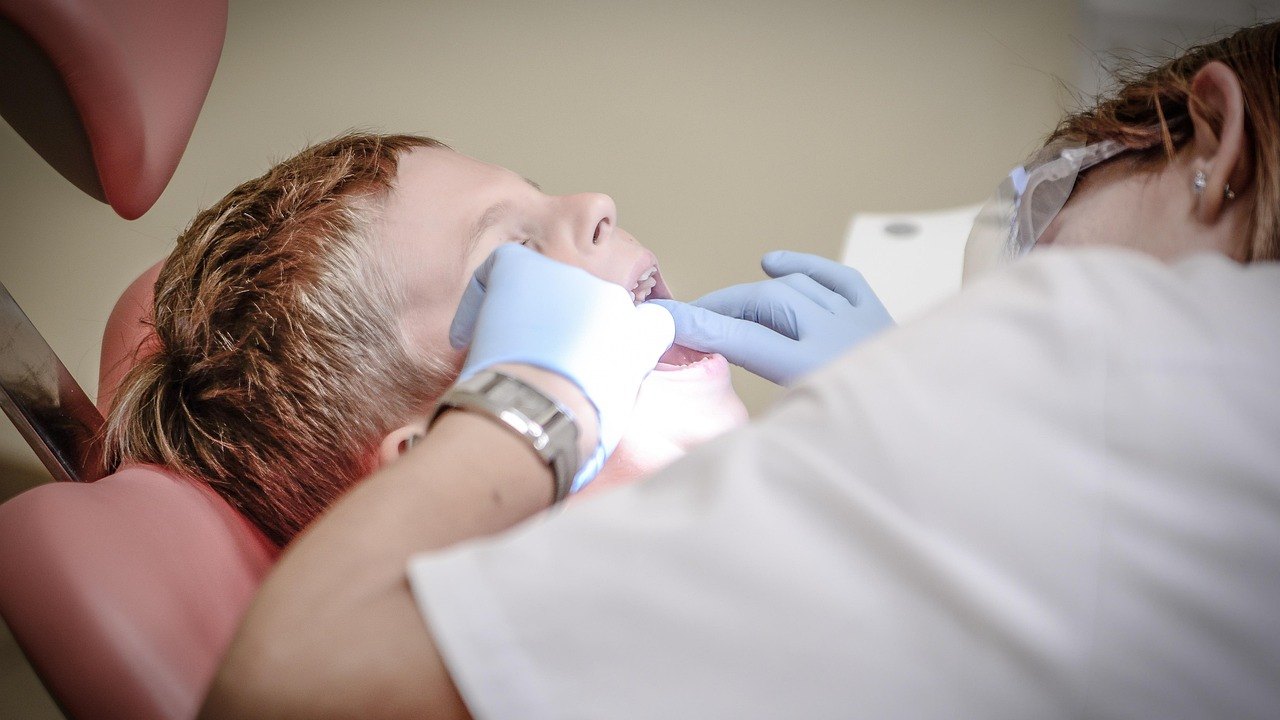
The trial tested a 38% SDF solution (Advantage Arrest, supplied by Elevate Oral Care). A dentist applies it with a tiny sponge-tipped applicator directly onto the cavity. No tooth structure is removed and no filling is placed.
Children were recruited through dental clinics, pediatric medical practices, and Head Start and Early Head Start programs in Michigan, New York, and Iowa. The investigators came from the University of Michigan, New York University, the University of Iowa, and Indiana University. The work began in 2018 and continued through the COVID-19 pandemic. The National Institute of Dental and Craniofacial Research provided more than $12 million in funding.
The main result: when SDF was applied at six-month intervals, it successfully stopped decay in more than half of the affected baby teeth. Dentists call this arresting caries, meaning the lesion stops progressing. It does not rebuild lost tooth structure the way a filling does.
The lead investigator, Margherita Fontana, described the treatment as "very effective and safe," including in children as young as 1. One clear tradeoff is that SDF permanently turns the decayed part of the tooth dark. This is most noticeable on front teeth, and the source describes it as primarily cosmetic.
Why it matters
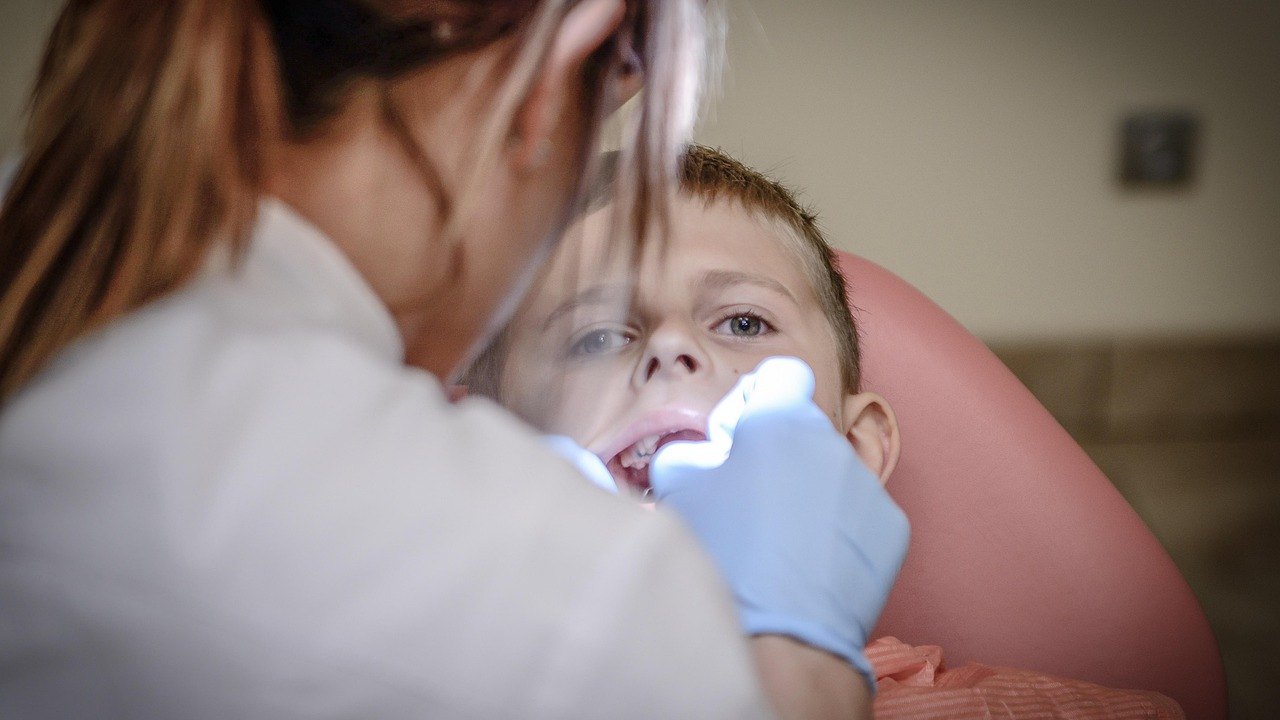
Tooth decay is the most common chronic disease among children, affecting more than 40% of American children, according to the source. Untreated decay can lead to severe toothache, infection, trouble eating and sleeping, and missed school. The source notes that thousands of young children visit US emergency departments each year for untreated cavities. Emergency physicians generally cannot provide the dental procedures needed to fix the underlying problem. Some of these children eventually need dental surgery under general anesthesia.
SDF is not new. Dentists in many countries have used it for decades. In the US, the FDA cleared SDF as a medical device for tooth sensitivity in 2014, and dentists have used it off-label to stop cavities. What was missing was large US trial data on safety and effectiveness for caries. The authors say the new data could support a manufacturer's application for FDA approval of SDF as a drug for arresting dental caries. A co-principal investigator, Amr Moursi, said that leaving off-label status could increase use by providers, improve insurer payments, and make product quality more consistent.
There is also a primary care angle. Young children often see pediatricians years before they see a dentist. The researchers hope stronger evidence will make SDF more available in pediatric medical settings, so cavities can be treated while a referral to a dental home is arranged.
What to know for the USMLE
The trial itself will not appear on the exam. The underlying science might. These points are standard textbook material.
- Dental caries is a biofilm-mediated, diet-dependent disease. Plaque bacteria ferment dietary sugars into acid. Repeated pH drops below the "critical pH" (about 5.5 for enamel) dissolve hydroxyapatite (demineralization). Saliva buffering and fluoride favor remineralization.
- Key organisms: Streptococcus mutans is the classic initiator. It uses glucosyltransferase to make sticky dextrans (glucans) from sucrose, which helps it adhere to enamel. Lactobacillus species are associated with progression of established lesions.
- Early childhood caries ("baby bottle caries") is linked to prolonged bottle or sippy-cup exposure to sugary liquids, especially at bedtime. It typically affects the maxillary incisors first.
- Fluoride's mechanisms:
- It is incorporated into enamel as fluorapatite, which is more acid-resistant than hydroxyapatite.
- It promotes remineralization.
- It inhibits bacterial enzymes such as enolase, reducing acid production.
- Silver's role: silver ions are antibacterial. They denature proteins and disrupt bacterial cells. The black staining of arrested lesions is a known, expected effect of silver. It is not a sign of treatment failure.
- Fluoride excess: chronic excess during enamel formation (childhood) causes dental fluorosis, which appears as mottled enamel. Acute large ingestion causes GI symptoms and can cause electrolyte disturbances such as hypocalcemia. This is why questions on pediatric fluoride focus on dose and age.
- Prevention (Step 2 CK / preventive medicine): the USPSTF recommends that primary care clinicians apply fluoride varnish to the primary teeth of infants and children starting at tooth eruption. It also recommends oral fluoride supplementation from age 6 months when the water supply is deficient in fluoride.
- Concept to separate: arresting a lesion (SDF) versus restoring it (filling) versus preventing new lesions (varnish, water fluoridation, diet counseling).
- Regulatory vocabulary: off-label use means using an approved product for an indication beyond its labeled one. SDF has been in this position for caries in the US.
Limitations
- Source limits. This article relies on a news report of the trial. The report does not give the exact arrest rate, the comparison arms, the follow-up length, or the adverse-event data. I cannot describe them here.
- "More than half" is not "all." A cavity that is not arrested may still progress and need conventional treatment. The result applies to baby teeth in children under 6 and should not be extrapolated to permanent teeth or adults. Fontana suggested older adults, people with disabilities, and those with severe dental anxiety might benefit too, but those groups were not what this trial tested.
- Cosmetic cost. Permanent dark staining of treated lesions will affect acceptance, especially on visible teeth.
- No restoration. SDF does not replace lost tooth structure.
- Regulatory status. The trial supports a possible FDA application, but the source does not report any approval.
- Safety claims. "Safe" in the quote is the investigators' conclusion. The full safety data are in the paper, not in the news report.
This article is educational and is not treatment advice for any individual patient or family.
FAQ
What is silver diamine fluoride?
It is a liquid containing silver and fluoride that is painted onto a cavity. Silver acts against cavity-associated bacteria, and fluoride strengthens the tooth's mineral structure and resists further damage. In this trial, the 38% solution was applied at six-month intervals.
Does silver diamine fluoride fill a cavity?
No. It arrests decay, meaning it stops the lesion from getting worse, but it does not rebuild lost tooth structure. The treated area permanently turns dark.
Is SDF FDA-approved for cavities?
Not for that use, according to the source. The FDA approved it as a device for tooth sensitivity in 2014, and dentists use it off-label for cavities. The trial data may support a future application for approval to arrest caries.
Key takeaways
- A Phase III trial of 830 children under 6 found that 38% SDF, applied every six months, stopped decay in more than half of the affected baby teeth, with no drilling, injections, or sedation.
- Staining is the main tradeoff. Exact arrest rates, comparison arms, and safety details are not given in the news report, so read the original paper for those.
- For USMLE, tie this to S. mutans and acid demineralization of hydroxyapatite, fluorapatite formation, fluorosis, and USPSTF fluoride varnish recommendations.
Prepared by the project team from the source material. Not medical advice.