Ketamine for Postpartum Depression After C-Section: USMLE
Ketamine given during or right after a cesarean delivery may ease early symptoms of postpartum depression, according to a meta-analysis presented at the ANESTHESIOLOGY 2026 annual meeting. Pooled data from six randomized trials showed a modest drop in depressive symptom scores in the first two weeks after birth. The authors themselves say it is too early to claim that ketamine prevents diagnosed postpartum depression or that it should be used routinely.
What happened
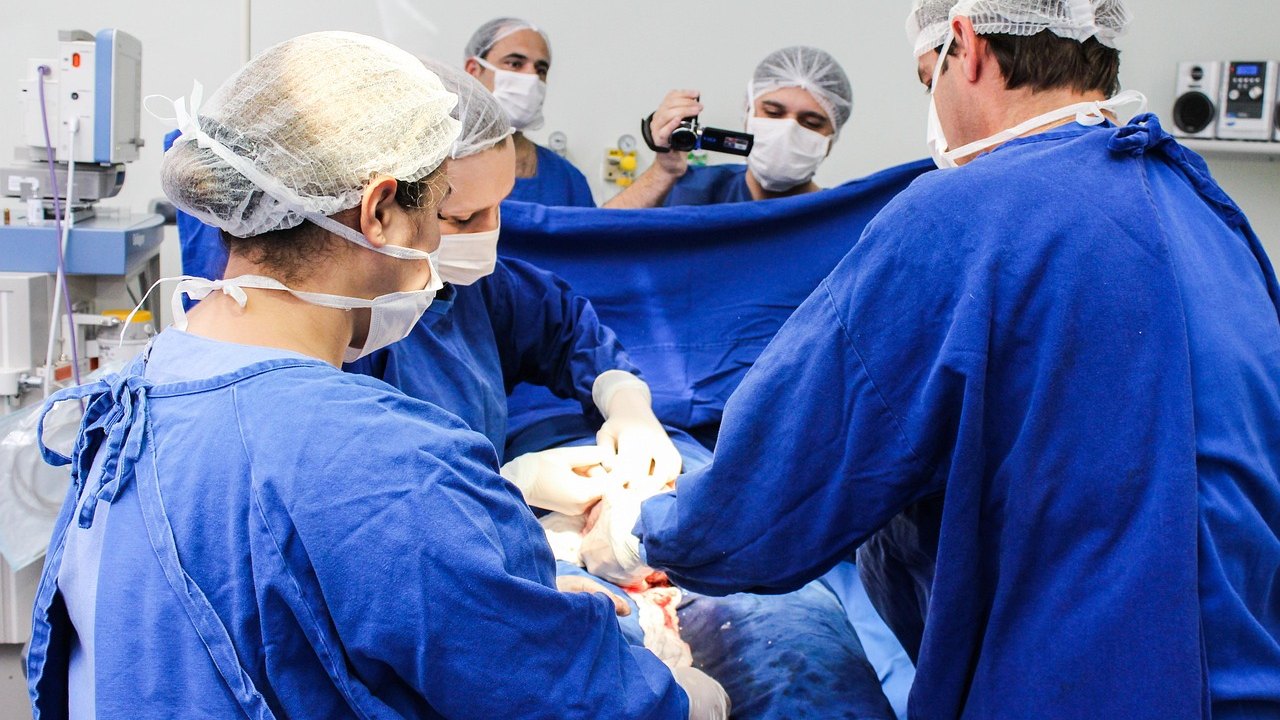
The researchers reviewed six randomized controlled trials published from January 2015 through September 2025. Together the trials enrolled 1,832 women undergoing elective C-sections. Women in the treatment arms received ketamine or esketamine (a ketamine derivative) during or after surgery. They were compared with women who received neither drug.
The outcome was the score on the Edinburgh Postnatal Depression Scale (EPDS), a widely used screening questionnaire for postpartum depressive symptoms. Scores were measured between postoperative days 3 and 14. The ketamine/esketamine groups had a small-to-moderate reduction in symptom scores compared with controls, with a standardized mean difference of −0.36, which was statistically significant.
The lead author is Peter Hsin, a medical student at FIU Herbert Wertheim College of Medicine. He described the result as promising but cautioned against overinterpreting it. A co-author, Rose Berkun, M.D., said the team plans a prospective randomized study at the University at Buffalo to look at ketamine during cesarean delivery and the incidence and severity of postpartum depression.
Why it matters
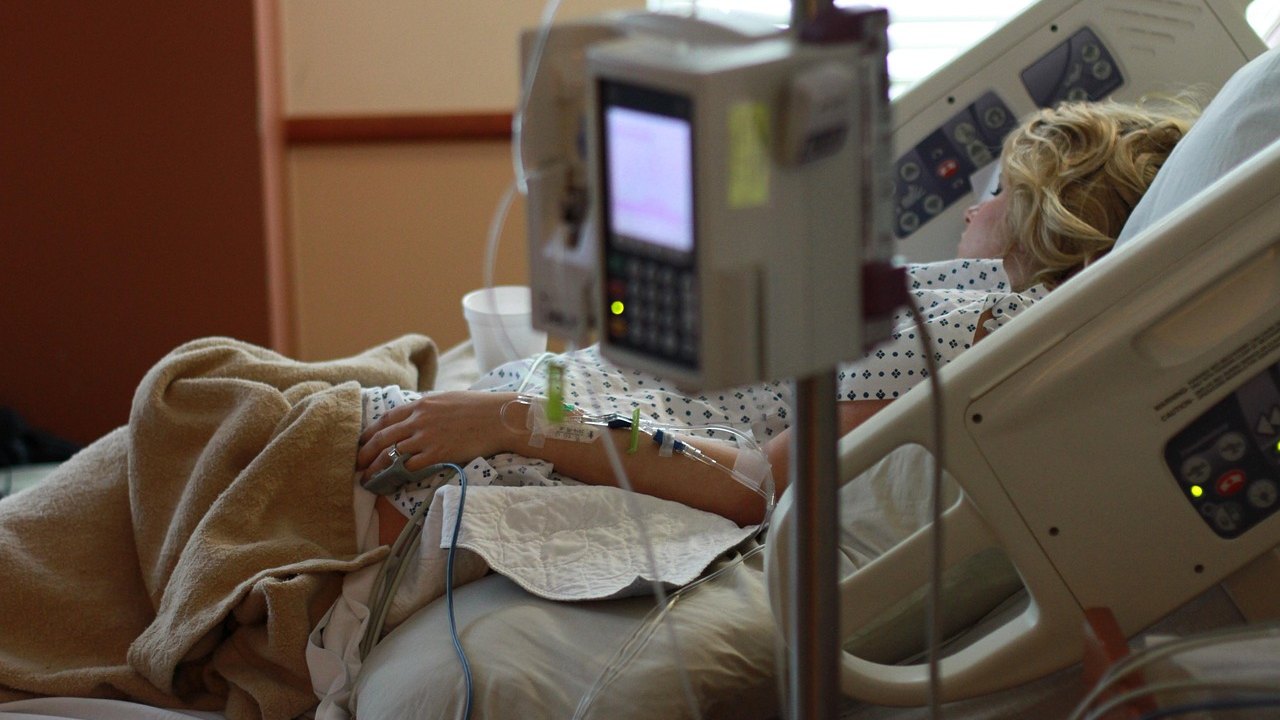
According to the source, postpartum depression affects about one in five women after childbirth. It can have serious consequences for mothers, infants, and families. C-sections have been associated with a higher risk of postpartum depressive symptoms, including sadness, anxiety, irritability, loss of interest, and difficulty bonding with the baby.
The idea is attractive for a practical reason. Ketamine is already an operating room drug, used for anesthesia and analgesia. If a drug already in the room had a mood benefit, prevention could start immediately after delivery. The first two weeks after birth are a vulnerable period, when a woman is recovering from surgery and caring for a newborn.
For now this is a hypothesis-generating signal. It is not a practice-changing result.
What to know for the USMLE: ketamine and postpartum depression
This news touches several testable topics. Here is the textbook framework.
- Ketamine mechanism: a noncompetitive NMDA receptor antagonist (a phencyclidine analog) that blocks glutamate signaling. It produces dissociative anesthesia, with analgesia, amnesia, and a "trance-like" cataleptic state.
- Why it acts fast on mood (proposed): NMDA blockade is thought to cause a glutamate surge that activates AMPA receptors. This leads to BDNF release, mTOR signaling, and synaptogenesis. This contrasts with SSRIs, which take weeks to work.
- Ketamine's physiologic effects: it is sympathomimetic, causing ↑ heart rate, ↑ blood pressure, and bronchodilation. It can raise intracranial pressure. Emergence reactions (vivid dreams, hallucinations) are classic adverse effects, and benzodiazepines can reduce them. These effects matter in the obstetric setting, for example with hypertensive disorders of pregnancy.
- Esketamine: the S-enantiomer of ketamine. The intranasal formulation is FDA-approved for treatment-resistant depression (with an oral antidepressant) and for depression with acute suicidal ideation. It is given under a monitoring program because of sedation, dissociation, and abuse potential.
- Postpartum blues: very common, onset within days of delivery, resolves within about 2 weeks. It needs reassurance and support, not drug therapy.
- Postpartum depression (DSM-5 "with peripartum onset"): onset during pregnancy or within 4 weeks after delivery. Think persistent low mood, anhedonia, guilt, sleep and appetite changes, and trouble bonding.
- Postpartum psychosis: a psychiatric emergency with delusions, hallucinations, or disorganized behavior, typically within the first 1–2 weeks. It is strongly associated with bipolar disorder. Risk to the infant is real, so hospitalization and antipsychotics and/or mood stabilizers are needed.
- Screening: the EPDS is a 10-item self-report questionnaire. It is a screening tool, not a diagnostic test, and cutoffs vary by setting. Always consider postpartum thyroiditis and anemia in the differential.
- Pathophysiology clue: the abrupt drop in estrogen and progesterone after delivery is implicated. It is linked to changes in the progesterone metabolite allopregnanolone, a positive modulator of GABA-A receptors.
- Targeted PPD drugs: brexanolone is an IV allopregnanolone formulation given as a continuous infusion over about 60 hours. Zuranolone is an oral neuroactive steroid taken for 14 days. Both are GABA-A positive allosteric modulators, and both carry warnings about sedation and impaired ability to drive.
- Standard therapy: SSRIs such as sertraline and psychotherapy remain the usual first-line options. Medication choice in breastfeeding women is a classic Step 2 CK topic.
A common exam trap is mixing up the two mechanisms. Ketamine and esketamine act through glutamate/NMDA. Brexanolone and zuranolone act through GABA-A.

Limitations
Read this study with a critical eye, as you would a journal-club abstract.
- It is a conference presentation. The source describes a study presented at a meeting. It does not describe a completed peer-reviewed publication, and conference results can change before publication.
- Symptom scores, not diagnoses. The outcome was EPDS scores, a screening tool. The authors state it is too early to say ketamine prevents clinically diagnosed postpartum depression.
- Short window. Scores were measured only between postoperative days 3 and 14. Whether any benefit lasts weeks or months is unknown.
- Modest effect. An SMD of −0.36 is small-to-moderate. A statistically significant change in a questionnaire does not automatically mean a clinically meaningful difference for an individual woman.
- Limited population. All trials involved elective C-sections. The findings may not apply to emergency cesareans or vaginal deliveries.
- Unanswered questions. The authors note that the best dose and timing are unknown, and larger studies with longer follow-up are needed. The source does not report details such as safety outcomes, trial-level heterogeneity, or dosing differences, so we cannot judge them here.
- Pooled drugs. Ketamine and esketamine were analyzed together, although they are not identical drugs.
This article is educational and is not medical advice for any individual patient.
FAQ
Can ketamine prevent postpartum depression?
That has not been shown. The meta-analysis found lower depressive symptom scores in the first two weeks after birth. The authors say it is too early to claim prevention of clinically diagnosed postpartum depression.
How does ketamine work as an antidepressant?
Ketamine blocks NMDA glutamate receptors. This is thought to trigger downstream AMPA receptor activation, BDNF release, and synaptic changes. That explains its rapid onset compared with SSRIs, though the exact mechanism is still being studied.
How is ketamine different from brexanolone and zuranolone?
Ketamine is an NMDA antagonist, while brexanolone and zuranolone are GABA-A positive allosteric modulators based on the neurosteroid allopregnanolone. Brexanolone and zuranolone are drugs developed specifically for postpartum depression. Ketamine in the C-section setting is still an investigational idea.
Key takeaways
- A meta-analysis of six randomized trials (1,832 women with elective C-sections) found that ketamine or esketamine was associated with modestly lower EPDS scores on postpartum days 3–14 (SMD −0.36).
- The finding comes from a conference presentation, covers only early symptoms, and does not show prevention of diagnosed postpartum depression. It is a reason for larger, longer trials, not a change in practice.
- For the USMLE, remember: ketamine/esketamine = NMDA antagonists; brexanolone/zuranolone = GABA-A modulators; SSRIs and psychotherapy remain first-line for postpartum depression.
Prepared by the project team from the source material. Not medical advice.