HCC Screening in Alcohol-Associated Cirrhosis: USMLE Review
A modeling study led by Mass General Brigham investigators found that routine liver cancer screening in alcohol-associated cirrhosis was cost-effective and extended life, even when annual hepatocellular carcinoma (HCC) risk was less than half of the 1% threshold that guides current recommendations. The benefit appeared in both patients who kept drinking and those who had stopped. The results were published in Clinical Gastroenterology and Hepatology and suggest the screening threshold may deserve a fresh look.
What happened
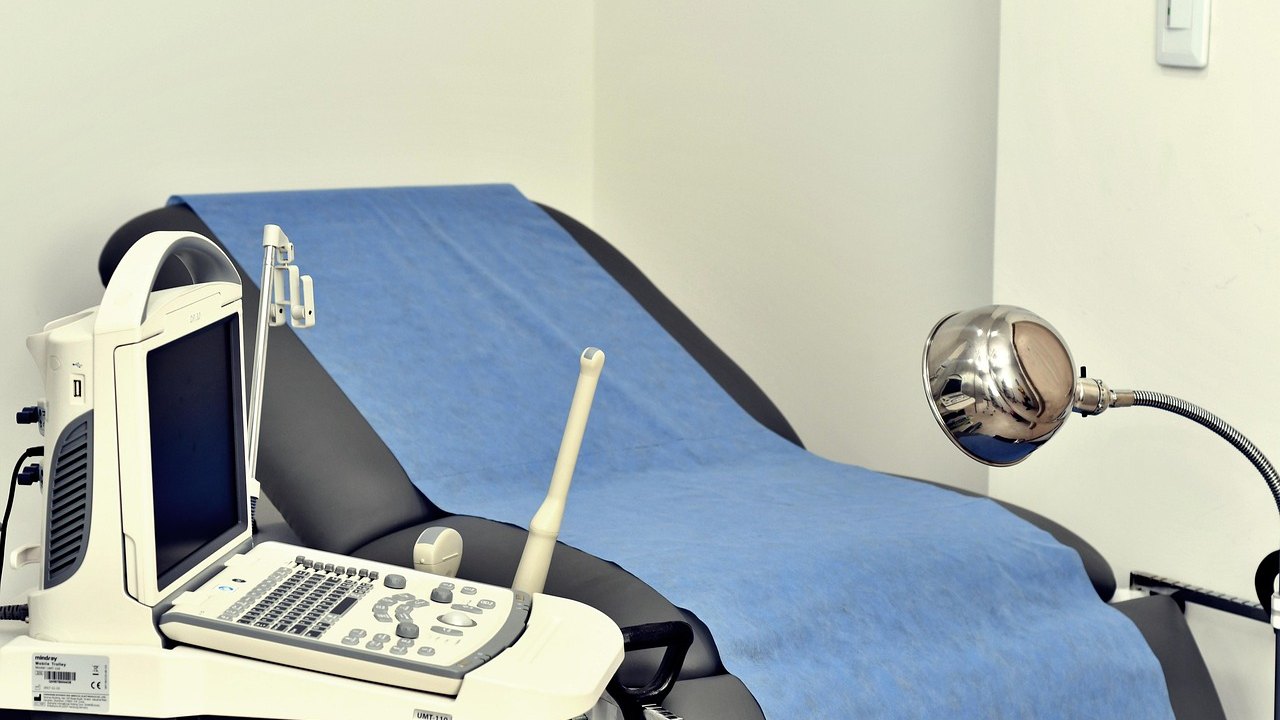
Current guidelines recommend HCC surveillance, an ultrasound plus a blood test, for people whose annual risk of HCC is above 1%. According to the report, that cutoff comes from older studies, mostly in people with viral hepatitis. More recent data show that the yearly liver cancer risk in alcohol-associated cirrhosis is often below 1%. It has therefore been unclear whether these patients should be screened routinely, especially since surveillance can be costly and time-consuming.
To address this, the team built a mathematical model that incorporated real-world screening data and clinical practice. They used it to simulate the course of liver disease in 50 million hypothetical U.S. patients. Outcomes were measured in quality-adjusted life years (QALYs), a standard health-economics measure.
The key findings, as reported:
- Screening every six months was beneficial and cost-effective at an annual HCC risk as low as 0.45%, well below the traditional 1% threshold.
- For every 100,000 patients, surveillance generated an estimated 2,083 additional life-years among active drinkers and 3,357 among abstinent patients.
- Screening was cost-effective in both groups, so the authors argue that drinking status alone should not drive the decision.
Senior author Jagpreet Chhatwal, Ph.D., said the 1% benchmark is "out of date for this population" and that guidelines should be updated. First author Ali Hajjar, Ph.D., noted that a common worry is that screening won't help patients who continue to drink because of their other health risks. The model did not support that concern.

Why it matters
Alcohol-associated liver disease is a major cause of cirrhosis, and cirrhosis from any cause is the main setting in which HCC develops. HCC found early can be treated with curative approaches. HCC found late usually cannot. Surveillance aims to shift diagnosis toward earlier stages.
The practical question is who should be screened. A 1% annual-risk cutoff was derived largely from viral hepatitis cohorts. If alcohol-associated cirrhosis carries a lower but still meaningful risk, applying the old number could leave many patients unscreened. This study argues that a lower threshold still offers good value. It also challenges the assumption that active drinking makes surveillance pointless.
For exam prep, this is a good example of how screening policy rests on more than whether a test works. It also depends on disease incidence, treatment options, and cost per unit of benefit.
What to know for the USMLE — high-yield HCC and alcohol-associated cirrhosis
- Cirrhosis is the major risk factor for HCC. Common causes include chronic hepatitis B (which can cause HCC even without cirrhosis), chronic hepatitis C, alcohol-associated liver disease, MASLD/NASH, hemochromatosis, and others such as alpha-1 antitrypsin deficiency and primary biliary cholangitis. Aflatoxin (from Aspergillus flavus) is a classic environmental exposure.
- Standard surveillance in cirrhosis: liver ultrasound ± AFP every 6 months. Know that surveillance is for asymptomatic at-risk patients, whereas diagnosis is a separate step.
- Diagnosis: In a cirrhotic liver, a lesion with arterial-phase hyperenhancement and washout on multiphase CT or MRI is characteristic of HCC. Biopsy is often not required. AFP is the classic tumor marker but is neither perfectly sensitive nor specific.
- Alcohol-associated liver disease spectrum: hepatic steatosis → alcoholic hepatitis → cirrhosis. Steatosis is reversible with abstinence.
- Lab clues in alcoholic hepatitis: AST:ALT ratio > 2:1 (usually AST < 300), elevated GGT, and sometimes leukocytosis and fever. Histology shows Mallory-Denk bodies, neutrophilic infiltrate, and macrovesicular steatosis.
- Pathogenesis: Ethanol is oxidized by alcohol dehydrogenase to acetaldehyde, then by aldehyde dehydrogenase to acetate. This produces excess NADH, which favors fatty acid synthesis, lactate production, and impaired gluconeogenesis. Chronic use also induces CYP2E1, which generates reactive oxygen species.
- HCC clinical features: unexplained decompensation of known cirrhosis (new ascites, encephalopathy), weight loss, RUQ pain, and elevated AFP. Know the paraneoplastic associations: erythrocytosis (EPO), hypoglycemia, and hypercalcemia. HCC can invade the portal vein or hepatic veins.
- Screening concepts tested on Step 1 and Step 2 CK: Screening benefit can be overstated by lead-time bias (earlier diagnosis without a real change in death date) and length-time bias (slow-growing tumors are more likely to be detected). A modeled gain in QALYs is not the same as a randomized trial showing reduced mortality.
- Health-economics vocabulary: QALY combines survival and quality of life. Cost-effectiveness is often expressed as an incremental cost-effectiveness ratio, meaning extra cost per QALY gained, compared against a willingness-to-pay threshold.

Limitations
This is a simulation study, not a clinical trial. The model followed 50 million hypothetical U.S. patients, so its results depend on the assumptions and inputs it was built on. These include real-world screening data and clinical practice patterns, but they are still model inputs rather than observed outcomes in a followed cohort.
The headline figure of 0.45% should be read as "as low as" the risk level at which the model found surveillance beneficial and cost-effective. It is not a validated clinical cutoff. Guidelines have not yet changed, and the authors are calling for a reassessment, not reporting an adopted standard.
Cost-effectiveness is also context-dependent. Results in a U.S. health care setting may not translate directly to other systems with different costs, test availability, or access to treatment. The source material also does not describe how the model handles every possible bias. Readers should treat the findings as evidence to inform guideline discussions, not as a basis for individual decisions. This article is educational and is not medical advice.
FAQ
Who is recommended HCC surveillance under current guidelines?
According to the report, current guidelines recommend screening for people whose annual risk of developing HCC is above 1%. Screening consists of an ultrasound and a blood test. For USMLE purposes, remember that cirrhosis is the main indication, with ultrasound ± AFP every 6 months.
Does this study mean patients who keep drinking should be screened?
In the model, screening was cost-effective in both active drinkers and abstinent patients, producing an estimated 2,083 and 3,357 additional life-years per 100,000 patients, respectively. The authors conclude that drinking status alone should not determine screening decisions. These are modeled estimates, though, and individual care decisions belong with a patient's clinician.
Why did the 1% threshold come from viral hepatitis studies?
The report says the cutoff comes from older studies, mostly in people with viral hepatitis. Recent data suggest yearly HCC risk in alcohol-associated cirrhosis is often under 1%. That mismatch is why researchers questioned whether the old threshold fits this population.
Key takeaways
- A Mass General Brigham modeling study found that 6-monthly HCC surveillance in alcohol-associated cirrhosis was cost-effective and life-extending at annual risks as low as 0.45%, below the current 1% threshold.
- The modeled benefit held for both active drinkers and abstinent patients, but the evidence comes from simulation of hypothetical patients, not a trial.
- For the USMLE, know that cirrhosis is the key HCC risk factor, surveillance is ultrasound ± AFP every 6 months, and diagnosis relies on arterial enhancement with washout. Also be ready to spot lead-time bias in screening questions.
Prepared by the project team from the source material. Not medical advice.